
Today, a YouTube title does more than attract clicks. It determines whether your video shows up in search, gets picked up by recommendations, and even appears in AI-generated results across platforms. Creators who understand this shift are getting more impressions without posting more videos—while others stay invisible.
In this guide, you’ll learn exactly how to optimize YouTube titles for SEO using a proven framework—so your videos rank higher, get discovered faster, and earn more clicks.
Table of Contents
The Title Problem Every Creator Ignores
Here’s a scenario that plays out on thousands of YouTube channels every week.
A creator spends two full days filming and editing an excellent video. The content is valuable. The editing is sharp. They’re excited to publish. But when they upload, they add a quick title that simply “feels right” — without strategically planning how to optimize YouTube titles for SEO 2026.
Then? Nothing. A handful of views, mostly from existing subscribers. The problem isn’t the content — it’s the failure to optimize YouTube titles for SEO 2026 so the algorithm clearly understands the topic, intent, and relevance of the video.
YouTube’s algorithm heavily weighs keyword alignment and click behavior. If you don’t deliberately optimize YouTube titles for SEO 2026, your video won’t rank competitively — and without ranking or curiosity-driven phrasing, it won’t earn clicks. The good news? In 2026, AI-powered tools make it faster, smarter, and more precise than ever to optimize strategically and grow consistently.
Why Your YouTube Title Is Your Most Powerful SEO Tool

Your video title does two completely different jobs at the same time — and it must execute both perfectly if you want to optimize YouTube titles for SEO 2026 effectively.
Job #1: Signal to the algorithm.
YouTube and Google scan your title to categorize your content. The specific words you choose, their placement, and how closely they match real search queries all influence rankings. If you don’t deliberately optimize YouTube titles for SEO 2026, your video may never appear in front of the right audience.
Job #2: Sell the click.
Even if your video ranks #1, a weak headline won’t generate clicks. CTR is a powerful ranking signal, and to truly optimize YouTube titles for SEO 2026, your title must blend keyword precision with curiosity, clarity, and strong value positioning.
That’s why generic titles like “My Fitness Journey Update #14” rarely grow a channel. If you want real traction, you must consistently optimize YouTube titles for SEO 2026 by balancing algorithm alignment with persuasive psychology — ranking and convincing at the same time.
How YouTube’s Algorithm Actually Reads Your Title
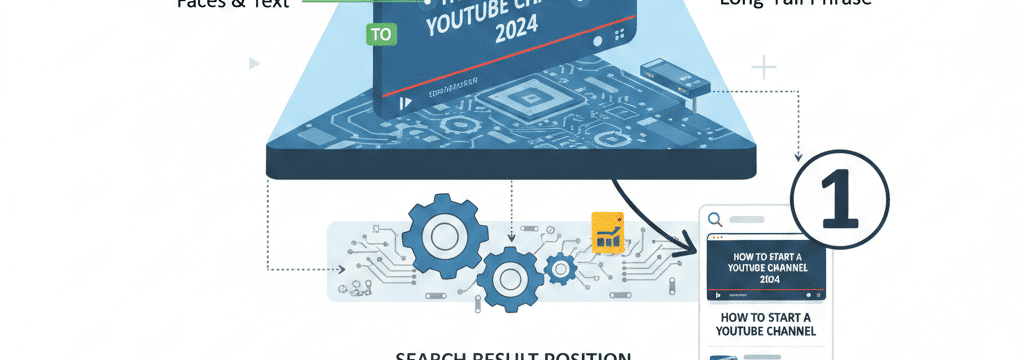
Understanding how YouTube processes your title completely changes the way you write it. If you want to truly optimize YouTube titles for SEO 2026, you need to understand what happens behind the scenes the moment your video goes live.
When you upload, YouTube immediately scans your title for clear topic signals. It’s trying to determine what your video is about and who should see it. Creators who consistently optimize YouTube titles for SEO 2026 structure their headlines to answer that question instantly — using precise keywords and intentional phrasing.
Research also shows that placing your primary keyword at the beginning of your title can significantly improve rankings. Because the algorithm gives more weight to early words, front-loading your keyword isn’t just stylistic — it’s strategic. If you want to properly optimize YouTube titles for SEO 2026, keyword placement matters just as much as keyword selection.
The Anatomy of a Perfect SEO-Optimized YouTube Title
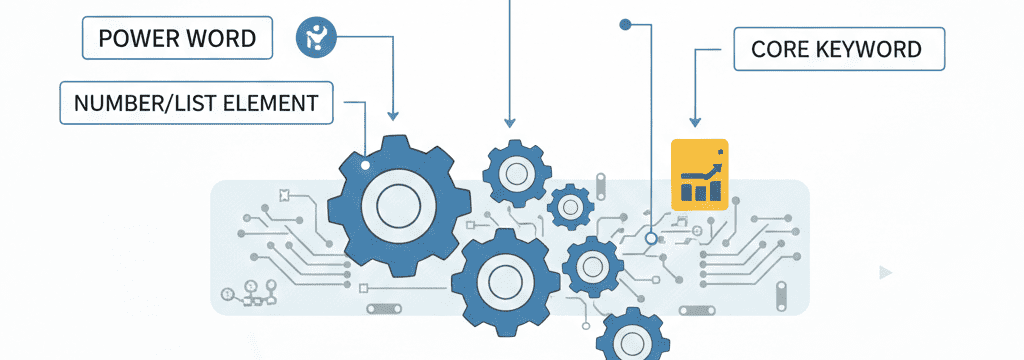
Now layer in the emotional trigger or power word that makes a real human want to click. To truly optimize YouTube titles for SEO 2026, your headline needs more than keywords — it needs a hook. A clear outcome, curiosity gap, bold promise, or specific number transforms a searchable title into a clickable one.
Strategic keyword placement still matters. If you want to properly optimize YouTube titles for SEO 2026, place your primary keyword within the first five words and reinforce it naturally in the opening lines of your description. This strengthens relevance signals while keeping your title readable and persuasive.
Finally, treat optimization as an ongoing process. Creators who consistently optimize YouTube titles for SEO 2026 monitor CTR, test variations, and refresh underperforming videos with updated phrasing or timely keywords. Small refinements compound over time — improving rankings, boosting discoverability, and driving sustainable growth.
How to Optimize YouTube Titles for SEO: Step-by-Step

Now layer in the emotional trigger or power word that makes a real human want to click. To truly optimize YouTube titles for SEO 2026, your headline needs more than keywords — it needs a hook. A clear outcome, curiosity gap, bold promise, or specific number transforms a searchable title into a clickable one.
Strategic keyword placement still matters. If you want to properly optimize YouTube titles for SEO 2026, place your primary keyword within the first five words and reinforce it naturally in the opening lines of your description. This strengthens relevance signals while keeping your title readable and persuasive.
Finally, treat optimization as an ongoing process. Creators who consistently optimize YouTube titles for SEO 2026 monitor CTR, test variations, and refresh underperforming videos with updated phrasing or timely keywords. Small refinements compound over time — improving rankings, boosting discoverability, and driving sustainable growth.
- Type your topic into the YouTube search bar and pay close attention to the autocomplete suggestions — those are real searches from real viewers
- Check Google Trends to compare keyword search volume and find rising topics in your niche
- Look at your top-performing competitors’ titles and identify patterns in the language they use
- Use tools like ytZolo’s keyword research feature to surface high-volume, low-competition title angles automatically
Step 2: Identify Your Primary Keyword
From your research, pick one specific keyword phrase that captures the search intent behind your video. How to Optimize YouTube Titles for SEO in 2026 This will be your title’s anchor.
Choose specific over broad. Broad keywords like “vlog camera” are highly competitive — long-tail versions like “best budget vlog camera for beginners 2026” target more specific search behavior and often have higher conversion potential.
Step 3: Place the Keyword at the Front
Restructure your title draft so the primary keyword appears in the first 5 words. This is the single most impactful structural change most creators can make immediately.
Bad: “My Tips for Growing Your Cooking Channel Fast in 2026” Better: “Grow Your Cooking Channel Fast — 7 Proven Tips for 2026”
Step 4: Add Your Hook
Now layer in the emotional trigger or power word that makes a human want to click. This could be a specific outcome, a curiosity gap, a bold claim, or a number.
Step 5: Check Your Character Count
How to Optimize YouTube Titles for SEO in 2026Paste your title into a character counter. If it’s over 65 characters, trim ruthlessly. Prioritize your keyword and your hook. Cut anything that doesn’t directly serve one of those two goals.
Step 6: Align Your Thumbnail
Before you finalize the title, look at your thumbnail. Does the thumbnail visually represent the same promise the title makes? If not, redesign one of them until they tell the same storyHow to Optimize YouTube Titles for SEO in 2026.
Step 7: Generate Variations and Compare
Write 3–5 alternative title options for every video. This sounds like extra work, but it’s actually the fastest way to sharpen your instincts and improve your CTR over time. Then pick the strongest one — or A/B test two of them using YouTube Studio’s built-in Test & Compare feature.
Step 8: Review After 2–4 Weeks
Update your titles strategically if they aren’t performing after 2–4 weeks. If you want to consistently optimize YouTube titles for SEO 2026, review impressions and CTR inside YouTube Analytics before making changes.
If impressions are high but CTR is low, your title likely isn’t compelling enough. To better optimize YouTube titles for SEO 2026, test a stronger angle, add a number or power word, or refine the value proposition to improve click-through rate.
If impressions are low, YouTube may not be ranking your video for the intended keyword yet. In that case, revisit your primary keyword, adjust placement, and update your description and tags to strengthen topical relevance and further optimize YouTube titles for SEO 2026 for better discoverability.
Power Words, Numbers & Formulas That Drive Clicks
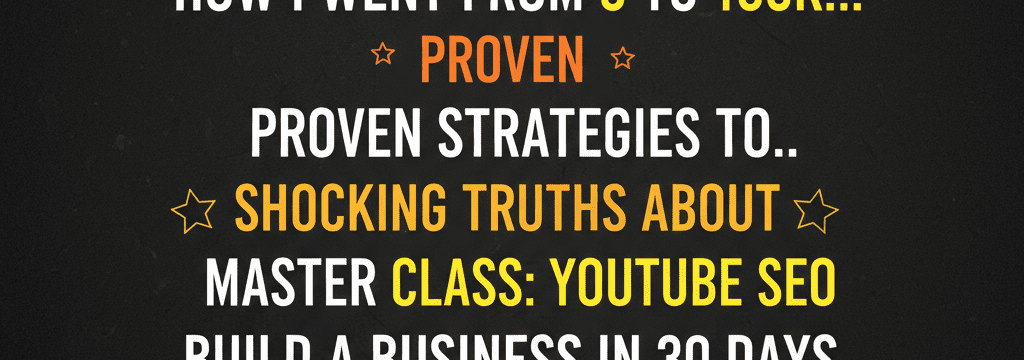
Great titles follow patterns. Here are the proven title formulas used by channels with millions of views — adapt them to your niche and watch your CTR climb How to Optimize YouTube Titles for SEO in 2026.
The “How To” Formula How to [Achieve Desired Result] in [Specific Timeframe] Example: “How to Grow 1,000 Subscribers in 30 Days (No Paid Ads)”
The “Number List” Formula [Number] [Adjective] Ways/Tips/Mistakes to [Result] Example: “9 Proven Ways to Double Your YouTube Watch Time This Month”
The “Curiosity Gap” Formula The [Topic] Mistake That’s [Costing/Killing/Stopping] Your [Desired Outcome] Example: “The SEO Mistake Killing Most YouTube Channels (Are You Doing This?)”
How to Optimize YouTube Titles for SEO in 2026 The “Secret Revealed” Formula The Secret to [Outcome] That [Authority/Most Creators] Won’t Tell You Example: “The Secret to Viral YouTube Thumbnails (Most Creators Never Do This)”
The “Ultimate Guide” Formula [Primary Keyword]: The Ultimate Guide for [Audience Type] in [Year] Example: “YouTube SEO: The Ultimate Guide for New Creators in 2026”
How to Optimize YouTube Titles for SEO in 2026 How to Optimize YouTube Titles for SEO in 2026 The “Before & After” Formula I [Did X] for [Time Period] — Here’s What Happened Example: “I Posted Every Day for 60 Days — My Honest Channel Results”
Power words that consistently boost CTR across every niche include: Finally, Proven, Secret, Ultimate, Fast, Instantly, Shocking, Simple, Exact, Hidden, Complete, and Breakthrough. When you want to optimize YouTube titles for SEO 2026, adding one well-placed power word can dramatically increase curiosity and perceived value.
However, use them strategically. To properly optimize YouTube titles for SEO 2026, limit yourself to one strong power word per title. Stacking multiple emotional triggers can make your headline feel exaggerated or spammy — which can hurt trust and reduce clicks.
The goal isn’t hype — it’s precision. Creators who consistently optimize YouTube titles for SEO 2026 balance keyword relevance with a single compelling trigger that feels natural, credible, and benefit-driven.
Deadly Title Mistakes Killing Your Channel Growth
Knowing what not to do is just as important as the positive strategies. These are the title mistakes that quietly suffocate channels — many creators make all of them without realizing it.
- Keyword stuffing. Cramming your keyword in three times looks spammy to both the algorithm and real viewers. How to Optimize YouTube Titles for SEO in 2026 Repeating the same phrase looks spammy and turns viewers off. Use it once — naturally.
- Vague titles that don’t tell viewers anything. Titles like “Check This Out” or “New Video!” give the algorithm nothing to work with and give viewers zero reason to click.
- Titles that are too long. Anything over 70 characters gets cut off in search results and suggested video feeds — often right before the most compelling part of your headline.
- All-caps and excessive punctuation. “BEST YOUTUBE SEO HACKS!!!” signals low quality and desperation. It repels the exact audience you’re trying to attract.
- Clickbait that doesn’t deliver. A misleading title might get an initial click — but it destroys your retention rate. If your video doesn’t deliver on what the title promises, watch time drops and the algorithm punishes you. Your long-term ranking suffers for short-term clicks.
- Putting the keyword at the end. “Top Tips for Growing Fast — YouTube SEO” is structurally backwards. Front-load what matters most.
- Never updating underperforming titles. Your first title attempt isn’t always your best one. If a video isn’t gaining traction after a few weeks, changing the title is one of the first things you should try.
- Writing the title after the thumbnail. Most creators do it this way — and pay the price in misaligned content packaging that confuses viewers and hurts retention.
How ytZolo Helps You Optimize YouTube Titles for SEO Automatically
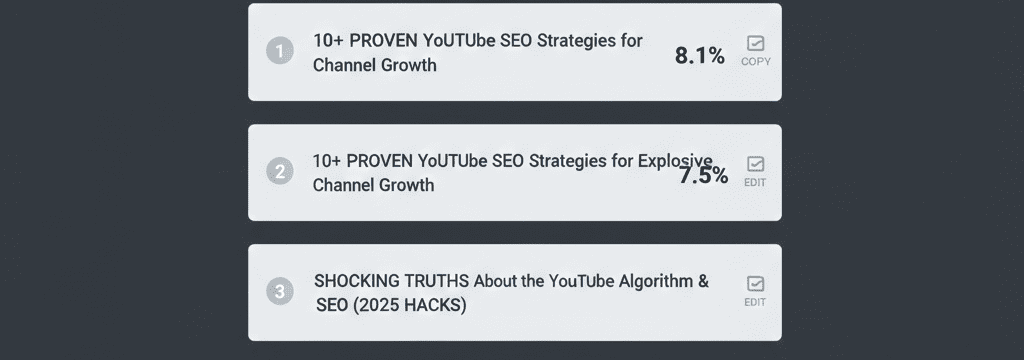
Manual title optimization requires keyword research skills, copywriting instincts, data analysis, and a deep understanding of how the algorithm works — all at the same time. To consistently optimize YouTube titles for SEO 2026, you need to balance search intent, emotional triggers, and ranking signals in a single line of text.
Most creators don’t have all four skills mastered. That’s why so many great videos never reach their potential. Without a structured system to optimize YouTube titles for SEO 2026, even high-quality content can get buried under better-optimized competitors.
In 2026, visibility isn’t just about creating value — it’s about packaging that value strategically. Creators who deliberately optimize YouTube titles for SEO 2026 give their content the best possible chance to rank, get clicked, and grow consistently.
ytZolo solves this entirely. As an all-in-one AI YouTube growth platform built specifically for creators, ytZolo’s AI title generator does the heavy lifting — so you don’t have to guess How to Optimize YouTube Titles for SEO in 2026.
How to Optimize YouTube Titles for SEO in 2026Here’s what ytZolo’s title tool actually does when you use it:
Keyword-First Generation You enter your video topic or paste in your script. How to Optimize YouTube Titles for SEO in 2026 ytZolo identifies the highest-opportunity keywords for that topic and builds multiple title options with the keyword front-loaded — exactly where the algorithm rewards it.
CTR-Optimized Language ytZolo doesn’t generate generic titles. It pulls from patterns found in high-performing YouTube videos across every niche to produce titles with proven click triggers baked in — power words, numbers, specificity, and benefit-driven language.
Multiple Variations Instantly Instead of spending 30 minutes wrestling with a single title, ytZolo gives you 5–10 distinct options in seconds. You can compare, mix elements from different options, and pick the one that resonates most — or test two of them head to head.
Alignment With Your Full Content Package This is where ytZolo’s real advantage shows. The title isn’t generated in isolation. It’s connected to your AI-written script, your SEO description, your tags, and your thumbnail — so every element of your content package is telling the same story, sending the same signal to the algorithm, and selling the same click to the viewer.
Explore more creator strategies and real-world examples on the ytZolo blog, where the team breaks down what’s actually working for YouTube growth in 2026 How to Optimize YouTube Titles for SEO in 2026.
Why ytZolo Is Better Than Other Title Optimization Tools
There are plenty of tools that claim to help you write better YouTube titles. But when you put them side by side with ytZolo, the differences become hard to ignore How to Optimize YouTube Titles for SEO in 2026.
| Feature | Manual Research | TubeBuddy | VidIQ | ytZolo |
|---|---|---|---|---|
| AI-generated title options | ❌ | Partial | Partial | ✅ |
| Keyword front-loading optimization | Manual | ❌ | ❌ | ✅ |
| CTR-pattern-trained title language | ❌ | ❌ | ❌ | ✅ |
| Multiple title variations instantly | ❌ | ❌ | Partial | ✅ |
| Connected to script + description + tags | ❌ | ❌ | ❌ | ✅ |
| Thumbnail alignment integration | ❌ | ❌ | ❌ | ✅ |
| All-in-one YouTube content workflow | ❌ | ❌ | ❌ | ✅ |
| Built specifically for YouTube creators | ❌ | Partial | Partial | ✅ |
Manual research gives you data but no output. You still have to synthesize everything into a compelling title yourself — which requires skills that take years to develop. How to Optimize YouTube Titles for SEO in 2026 It’s slow, inconsistent, and entirely dependent on your own copywriting ability on any given day.
TubeBuddy is a solid browser extension for YouTube management. Its title-related features are useful for analysis and A/B testing, but it doesn’t generate AI-optimized titles and has no connection to your broader content strategy How to Optimize YouTube Titles for SEO in 2026
VidIQ provides keyword data and some AI title suggestions, but like TubeBuddy, it operates as a standalone research layer — not an integrated content workflow. How to Optimize YouTube Titles for SEO in 2026 You still have to connect all the dots yourself.
ytZolo is the only platform that shows the full picture when learning How to Optimize YouTube Titles for SEO in 2026. Title optimization isn’t done in isolation — it’s part of a complete content system where every element of your video supports the others.
Your YouTube title feeds directly into your thumbnail strategy, ensuring the visual hook aligns with the headline. Meanwhile, your thumbnail reinforces your script’s angle, making the video more cohesive and compelling for viewers.
Your description further amplifies your title’s keyword, boosting SEO while keeping your content informative. On YouTube, isolated optimization is no longer enough to compete — integrating titles, thumbnails, scripts, and descriptions is the key to sustained growth.
According to Sprout Social’s research on YouTube SEO, creators who align all their content elements — title, thumbnail, description, and engagement strategy — see compounding improvements in both CTR and watch time. ytZolo makes that alignment automatic.
How to Test and Improve Your Titles Over Time
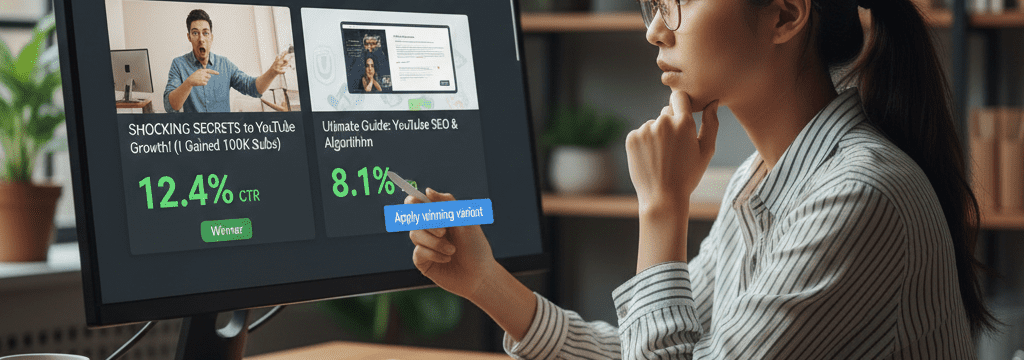
Writing a great title once is good. Building a repeatable system is how you consistently optimize YouTube titles for SEO and avoid plateauing. Growth-focused channels don’t rely on guesswork — they rely on testing, data, and iteration.
Start by using YouTube Studio’s Test & Compare feature for every upload. Even small CTR lifts — from 4% to 6% — compound massively over time. Creators who consistently optimize YouTube titles for SEO understand that incremental improvements across a full catalog can mean thousands of additional views.
Track Impressions and CTR together. High impressions with low CTR? Your headline or thumbnail isn’t compelling enough. Low impressions? Your keyword targeting may be weak. To properly optimize YouTube titles for SEO, you must diagnose the right problem before making changes.
Review underperforming titles after 2–3 weeks. If CTR is under 4% with solid impressions, test a new angle, adjust your benefit statement, or refine keyword placement. Treat titles as evolving assets, not fixed decisions.
Build a swipe file of high-performing titles in your niche. Study structure, tone, keyword position, and emotional triggers. This pattern recognition helps you repeatedly optimize YouTube titles for SEO with more precision.
Finally, generate multiple variations for every video. Whether manually or with tools, compare options and let data guide decisions. The goal isn’t to write one perfect title — it’s to build a system that helps you continuously optimize YouTube titles for SEO faster and more effectively every time you publish.
FAQ: How to Optimize YouTube Titles for SEO
1. What is the ideal length for a YouTube title optimized for SEO?
The ideal YouTube title length for SEO is between 55 and 65 characters when learning How to Optimize YouTube Titles for SEO in 2026. Titles within this range ensure your full headline appears clearly in search results, suggested videos, and on mobile devices — where over 60% of YouTube views occur.
Keeping your title within this optimal length helps maintain visibility and prevents important parts of your headline from being cut off. This improves the chances that viewers will see the full message and click on your video.
A well-structured title that balances keyword placement and readability can significantly boost click-through rates while signaling relevance to the YouTube algorithm. In 2026, mastering this strategy is essential for effective video SEO.
When learning How to Optimize YouTube Titles for SEO in 2026, place your primary keyword within the first 5–7 words of your title. This not only strengthens SEO but also immediately tells viewers and YouTube’s algorithm what your video is about.
How to Optimize YouTube Titles for SEO in 2026After including your keyword, use the remaining space to add a hook, benefit, number, or power word. These elements increase curiosity, create urgency, and encourage clicks, making your title both searchable and compelling.
By combining early keyword placement with a strong, curiosity-driven hook, you maximize the chance that your video will rank higher and attract more viewers — a key strategy in How to Optimize YouTube Titles for SEO in 2026
Avoid titles longer than 70 characters, as they often get cut off. When this happens, the most compelling part of your headline may be hidden, reducing your chances of attracting viewers. A clear, focused, and strategically structured title performs far better than a long, cluttered one.
2. Where should I put my keyword in a YouTube title?
Your primary keyword should appear as early as possible if you want to effectively optimize YouTube titles for SEO — ideally within the first 5 words. Early placement immediately signals to both viewers and the algorithm what your video is about.
Research shows that placing your keyword at the beginning of a title can improve rankings by up to 20% compared to burying it at the end. Creators who consistently optimize YouTube titles for SEO understand that keyword position is not just stylistic — it’s strategic.
YouTube gives more weight to words that appear earlier in your title when categorizing content. By front-loading your main keyword, you strengthen relevance, improve discoverability, and more effectively optimize YouTube titles for SEO to reach the right audience faster.
3. Do power words really improve YouTube CTR?
Yes — significantly., power words play a major role in improving click-through rates. Power words trigger psychological responses that make viewers more likely to click on your video.
Words like Proven, Secret, Finally, Ultimate, and Shocking activate curiosity, urgency, or authority — all of which increase the probability of a click. When optimizing YouTube titles for SEO in 2026, combining strong keywords with emotionally compelling words can dramatically improve performance.
The key is using only one or two power words per title, placed naturally within the headline. Overusing them makes your title feel spammy and can actually reduce CTR by signaling low-quality content. Smart optimization is about balance — clarity first, curiosity second.
4. Should I use the same keyword in my title and description?
Yes — but use it thoughtfully. If you want to properly optimize YouTube titles for SEO, including your primary keyword in both your title and description is essential. This sends a strong relevance signal to YouTube and helps the algorithm clearly understand your topic.
Strategic placement strengthens ranking potential. Creators who consistently optimize YouTube titles for SEO make sure the primary keyword appears naturally in the title and within the first two sentences of the description. This reinforces topic clarity without looking forced or repetitive.
However, avoid keyword stuffing. Repeating the same phrase mechanically can make your content look spammy and reduce audience trust. To effectively optimize YouTube titles for SEO, focus on readability first, then relevance.
You can also check this post :- https://ytzolo.com/blog/compare-youtube-thumbnails-ai/
After establishing your main keyword early, expand with related keywords, semantic variations, and supporting phrases. This broader context helps YouTube better categorize your video and increases your chances to optimize YouTube titles for SEO across a wider range of relevant search queries.
5. How often should I update old YouTube titles?
When you want to consistently optimize YouTube titles for SEO, reviewing performance data is non-negotiable. Check underperforming videos 2–4 weeks after upload. This gives YouTube enough time to test your content across audiences and generate meaningful analytics.
If impressions are strong but CTR is below 4%, your title is likely the bottleneck. That’s a clear signal you need to optimize YouTube titles for SEO more strategically — test a different angle, add a number or power word, or adjust keyword placement to improve click-through rate.
For older videos losing momentum, update the title with the current year or a trending related keyword. Creators who consistently optimize YouTube titles for SEO treat titles as evolving assets, not permanent decisions. Small updates can revive rankings and restore discoverability.
Regular refinement based on real data ensures your titles stay relevant, clickable, and competitive. If you want sustainable growth, you must continually optimize YouTube titles for SEO — because great videos only grow when people actually see and click them.
Stop Letting Great Videos Go Unseen
Here’s the reality of YouTube in 2026 you can make a genuinely brilliant video and have almost nobody watch it — simply because the title didn’t give the algorithm a reason to show it or viewers a reason to click it.
Learning to optimize YouTube titles for SEO isn’t optional anymore. It’s the foundation of discoverability. It’s what determines whether your content reaches a handful of existing subscribers or thousands of new viewers who’ve never heard of your channel.
you can also click hear :-https://ytzolo.com/blog/script-writer-for-youtube-shorts/
Every element matters: keyword placement, character length, power words, number usage, thumbnail alignment, and ongoing testing. These aren’t complicated concepts — but applying them consistently, across every video, every week, is where most creators fall short How to Optimize YouTube Titles for SEO in 2026.
That’s where ytZolo becomes your most valuable tool. Instead of spending an hour wrestling with titles after an already exhausting filming and editing session, you get data-driven, CTR-optimized title options in seconds — connected to your full content workflow, ready to publish.
The creators gaining ground on YouTube right now aren’t necessarily more talented than you.They’re more strategic. They use smarter systems. They iterate faster. And they’re not doing it all manually.
How to Optimize YouTube Titles for SEO in 2026 You can have that same advantage — starting today.
Start creating smarter, faster, and more viral YouTube content with ytZolo today.
Looking to sharpen the rest of your YouTube SEO strategy? The ytZolo blog covers everything from AI-generated scripts and thumbnail creation to description optimization and tag strategies — all designed to help your channel grow faster in 2026.
you can also you can also read this blog :-https://ytzolo.com/blog/chatgpt-for-youtube-scripts/


Pingback: Best YouTube Thumbnail AI: Boost CTR & Views Fast in 2026
Pingback: Best Free YouTube Thumbnail Generator AI to Boost CTR (2026)
Pingback: Best YouTube Title Generator AI Tool for Creators 2026